The Right to Question
WisDOT Board at a Lake Interchange Public Meeting
Some of Strong Towns’s history has been a little misunderstood, including to this writer. ST existed before Chuck Marohn called out his own profession. But the facts on that incident seem quite clear. He did something considered radical, and an attempt at legal retribution followed.
I had been critical of the engineering profession, particularly the way engineers approach transportation spending and public safety. I had questioned the endless expansion of highways, challenged the way engineers design streets, and coined the term “stroad” to describe the dangerous environments that result when we apply highway design principles to places where people live. The complaint alleged that I had engaged in professional misconduct for writing these things.
The reaction to questioning something baked into the very fabric of our culture is something a lot of us in Metro MKE have gotten to live firsthand. In calling out the massive cost of all this infrastructure, measured both in public dollars spent and public safety sacrificed, Chuck kicked over the hornet’s nest of automobile primacy. He wasn’t the first to do it, but in this case the call was coming from inside the house.
Seventy or eighty years of assumptions, modeling, and industry profit isn’t going to question itself readily. Anyone who has dug in their heels with a WisDOT engineer about, say, induced demand, or the long term maintenance price tag on freeways in complex urban areas, and gotten hemming and hawing in return, knows this.
The engineers we encounter are not out to get us. Some are certainly protecting their turf, but none are coming from a place of malice and many even get what we’re saying, even if it may introduce dissonance between their chosen career and a fresh look at the public interest after all these decades.
Chuck had been sued over his public questioning of the profession’s habits. It played out over six years, and you can read all about it here, but the spoiler is that he was exercising his First Amendment rights in his criticism. He won.
We don't need an engineering profession that speaks with one voice. We need a profession confident enough in its standing to disagree with itself in public.
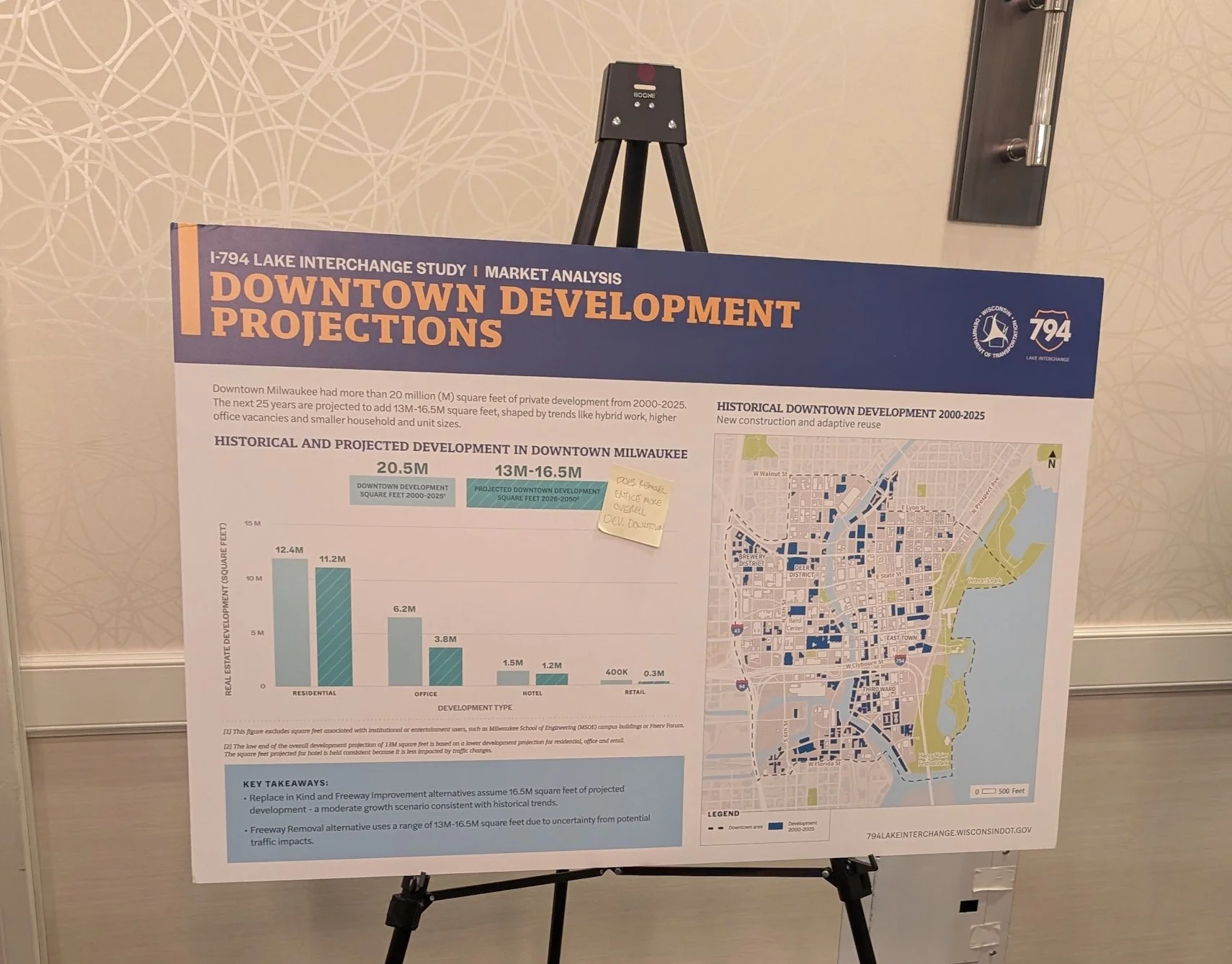
What does this mean for us? Well, we stay in the conversation until there’s a shovel in the ground. We’re not dissuaded when a mayor or division chief in a state agency tells us it must be this way because the models are beyond reproach or some special interest cannot be inconvenienced. We keep asking the questions and find the people on the inside who get it. We’ll need them.